
Smart Data Analytics: How AI Is Transforming Business Decision-Making in 2026
Data has become one of the most valuable business assets.
But collecting information alone no longer creates competitive advantage.
Modern organizations are moving beyond dashboards and reports toward Smart Data Analytics — intelligent systems that transform raw information into predictions, actions, and measurable business outcomes.
In 2026, businesses are no longer asking:
“What happened?”
They are asking:
“What should we do next?”
That shift is redefining analytics.
What Is Smart Data Analytics?
Smart Data Analytics is the process of collecting, analyzing, interpreting, and activating data using:
- Artificial Intelligence
- Machine Learning
- Automation
- Predictive Modeling
- Business Intelligence
- Real-Time Decision Systems
Instead of generating static reports, smart analytics continuously produces insights that improve business performance.
Why Traditional Analytics Is No Longer Enough
Traditional reporting often creates limitations:
❌ Historical-only analysis
❌ Manual reporting processes
❌ Slow decision cycles
❌ Disconnected data sources
❌ Limited operational impact
Businesses today require systems that move from observation to execution.
The Five Layers of Smart Data Analytics
1. Data Collection Infrastructure
Everything begins with structured data.
Modern businesses collect signals from:
- Websites
- Social platforms
- CRM systems
- Marketing campaigns
- Customer interactions
- Operational systems
- Internal databases
The objective is creating a connected data ecosystem.
2. Data Processing & Organization
Raw information becomes usable through:
- Data cleaning
- Transformation
- Categorization
- Enrichment
- Integration
Well-structured data creates reliable outcomes.
3. AI-Powered Analysis
Artificial intelligence allows businesses to discover:
- Hidden patterns
- Customer behavior trends
- Revenue drivers
- Growth opportunities
- Operational inefficiencies
Analytics evolves from reporting into intelligence.
4. Predictive Decision Systems
Modern analytics increasingly answers:
- Which customers are likely to convert?
- Which campaigns should receive more budget?
- Where will demand increase?
- Which processes should be automated?
Prediction reduces uncertainty.
5. Automated Action Layer
Insights become valuable when executed.
Examples:
Traffic decreases
→ Alert triggered
→ Investigation launched
→ Recommendation generated
→ Optimization deployed
The gap between insight and action becomes smaller.
Essential Components of a Smart Analytics System
Unified Data Architecture
Bringing information together across:
- Marketing
- Sales
- Operations
- Customer Experience
- Finance
This creates a single source of business intelligence.
Real-Time Analytics
Modern organizations increasingly rely on:
- Live dashboards
- Immediate alerts
- Dynamic reporting
- Operational monitoring
Speed creates advantage.
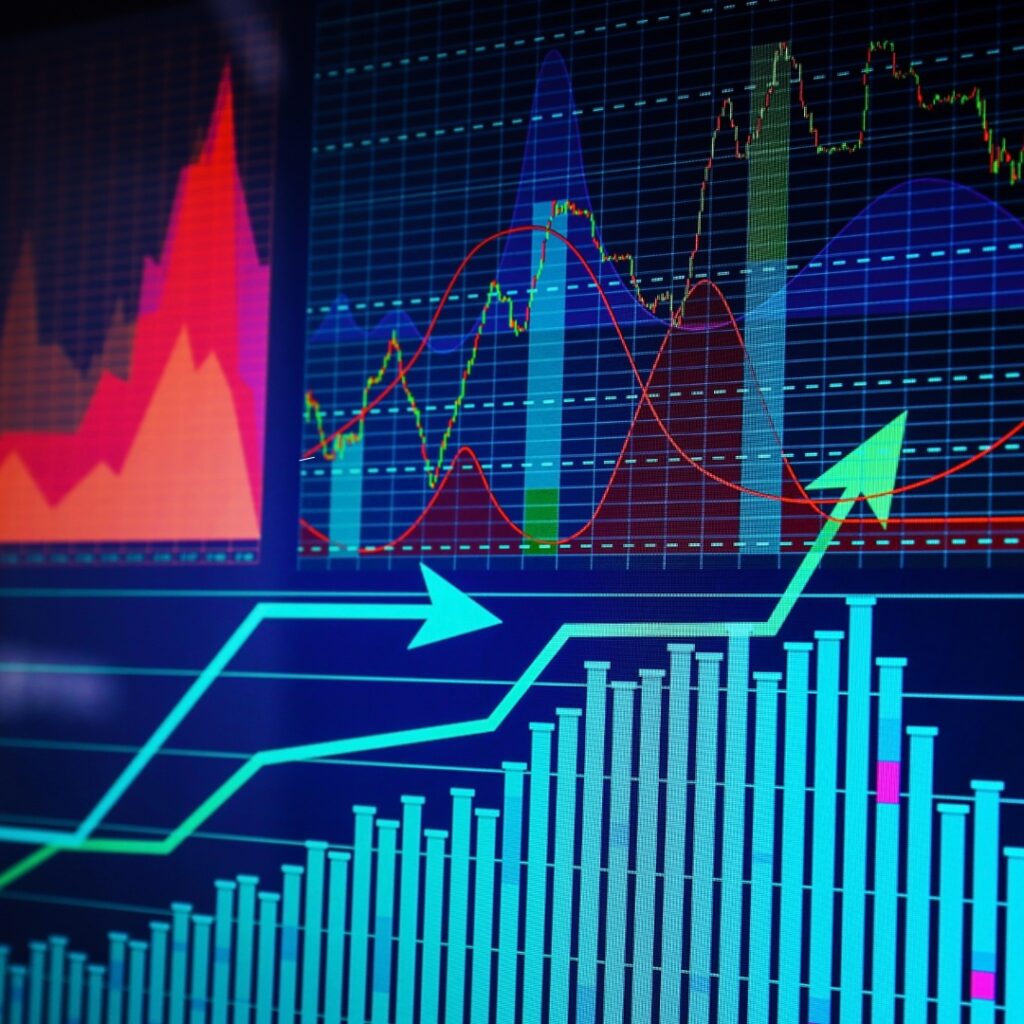
Intelligent Visualization
Visualization should simplify decisions.
Examples:
- Behavioral dashboards
- Funnel analytics
- Conversion maps
- Predictive indicators
Data should become understandable at a glance.
Business Automation Integration
Analytics becomes more powerful when connected to:
- CRM workflows
- Marketing systems
- Customer support
- Internal automation
- Decision engines
Top Smart Data Analytics Trends in 2026
Predictive Analytics
Moving from understanding the past to anticipating the future.
AI Decision Support Systems
Systems capable of recommending actions rather than only presenting numbers.
Natural Language Analytics
Users increasingly interact with analytics using conversational questions.
Example:
“Show me channels with declining conversion.”
Autonomous Business Intelligence
Platforms automatically identifying anomalies and generating recommendations.
Data Activation
Data increasingly triggers workflows directly instead of waiting for manual interpretation.
Which Businesses Benefit Most?
Smart analytics creates strong value for:
- Service companies
- Healthcare organizations
- Educational institutions
- SaaS businesses
- E-commerce brands
- Marketing teams
- Growth-stage companies
Will AI Replace Data Analysts?
No.
The strongest operating model emerging is:
Human Judgment + AI Intelligence + Automated Systems
Humans define goals and context.
AI expands speed, scale, and analytical depth.
How Smart Data Analytics Supports Digital Growth
Smart analytics becomes the intelligence engine behind:
→ Smart Website Design
→ Smart Content Creation
→ Smart Social Media Management
→ Marketing Automation
→ Business Operations
Data connects every digital decision.
Conclusion
Data is no longer simply measured.
It is interpreted, activated, and transformed into business outcomes.
Organizations that invest in smart analytics systems today are building faster decision cycles, stronger operational efficiency, and more sustainable growth.
The future belongs to businesses that can turn information into action.
SEO Meta Title
Smart Data Analytics | The Complete AI Analytics Guide for 2026
Meta Description
Learn how Smart Data Analytics combines AI, automation, and business intelligence to transform raw data into faster decisions and scalable growth.